
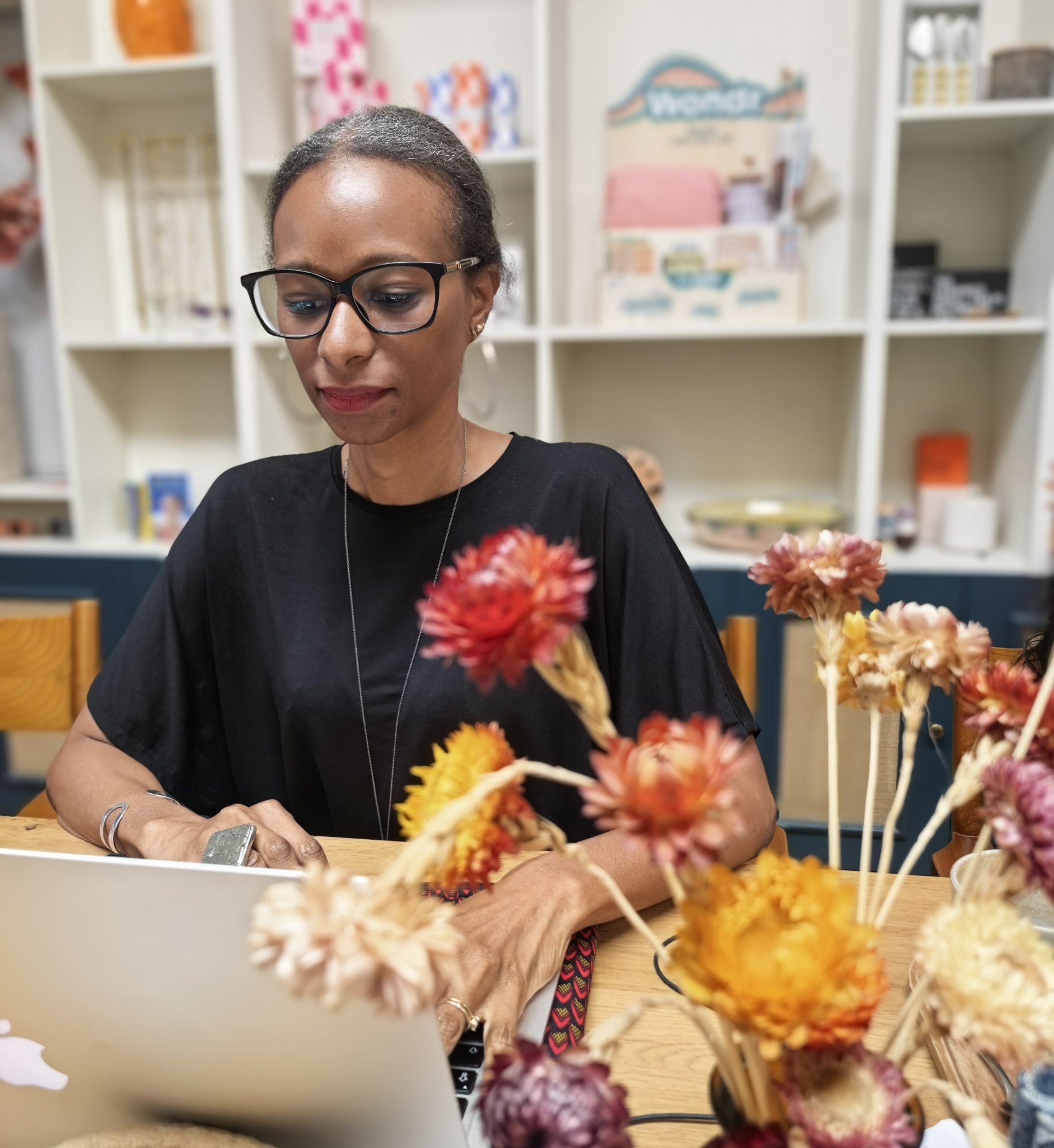
Women are everywhere in the art world. They run galleries, curate exhibitions, support artists, coordinate art fairs, and keep institutions alive. Yet when we look at who enjoys the greatest visibility, achieves record-breaking sales, or secures a place in art history, the imbalance remains striking.
Over the years, I have worked alongside artists with very different journeys. Their careers reveal the challenges that many women in the art world continue to face. They also explain why, despite everything, I remain optimistic about the future.
The Quiet Arithmetic
Let's begin with what never appears in meeting minutes.
Bias is often subtle. A woman who stands firm in her convictions may still be perceived as "difficult," while a man displaying the very same qualities is more readily described as ambitious or uncompromising. When a woman artist decides to increase the value of her work, she often finds herself having to justify that decision more than her male counterparts.
I also have the feeling that the label emerging tends to stay attached to women for much longer. I have seen women artists in their forties, with more than a decade of serious practice behind them, still described as promising, while men with much shorter careers were already considered established. Promising is a beautiful word. It can also become a way of postponing the moment when an artist's work is fully recognized and fairly valued.
Then there is everything that surrounds the work itself. Studio hours lost to family responsibilities. International opportunities declined because someone has to stay behind. None of this appears in an exhibition catalogue. Yet these invisible choices shape a career. This is more than an impression: research by UN Women and the OECD consistently shows that women continue to shoulder a disproportionate share of domestic and family responsibilities, with direct consequences for their availability, income, and professional trajectories. The art world is no exception.
Careers That Rarely Follow a Straight Line
Artistic careers are rarely linear, and this is especially true for many women.
Colette Diallo spent two decades working in the fashion industry in France before returning to painting during the pandemic. Today, she moves effortlessly between painting and handcrafted jewellery, with each practice enriching the other.
For more than ten years, Nasrine Safa has developed a body of work spanning photography and video across Senegal, Côte d'Ivoire, France, and the United States. Her journey crosses countries, cultures, and artistic disciplines.
For a long time, artistic careers were expected to follow a perfectly coherent path: one medium, one continuous progression, one clearly identifiable identity. Reality is often far more complex. The careers of Colette Diallo and Nasrine Safa show that an artistic practice can evolve, reinvent itself, and take multiple paths without losing its coherence.
Perhaps that is what I have learned from working alongside artists: to see a career as a whole rather than searching for a perfectly straight line.
Why I Remain Optimistic
Collectors are changing. A younger, more international audience—one increasingly shaped by African diasporas—is discovering and acquiring art differently. They want to understand an artist's practice, learn about their journey, and appreciate the context in which a work was created. They are less inclined to wait for a Western institution to validate their perspective before trusting their own.
The mechanisms of visibility are changing as well. Digital platforms and social media now allow artists to present their work far beyond their own countries, connect directly with collectors, and build visibility without relying exclusively on traditional gatekeepers.
This is also one of the reasons I created Art Kelen: to contribute to making contemporary African art more visible and to build bridges between artists and new collectors.
Institutions are evolving too. They are no longer the only ones shaping the history of the market; they are increasingly responding to a movement driven by artists, collectors, and independent initiatives.
None of this is complete. Optimism does not mean believing the problem has been solved. It means choosing where to invest your energy.
Changing the Way We Look
The term emerging is sometimes worth questioning. At what point do we stop promising recognition and finally grant it?
Progress is real. According to the Art Basel & UBS Global Art Market Report 2026, women now represent 45% of artists represented by galleries, up from 35% in 2018. Yet they still account for only 37% of the total value of gallery sales, with the gap remaining particularly pronounced among the largest galleries.
Institutions are evolving too, albeit more slowly. A 2026 study published in Nature Communications, based on the analysis of more than 65,000 contemporary artists and over 20,000 institutions, found that the world's most prestigious institutions continue to disproportionately exhibit male artists.
African women artists do not need to be given a place. They need their work to be recognized, exhibited, collected, and valued in a way that truly reflects its significance.